
Best Concrete for Different Outdoor Projects


By Dirk Tharpe
Portland Cement is the second most used product in construction in the world, with only water being used more. Cement is the key ingredient to concrete, which is arguably the most versatile building material on the planet. Concrete can be cast in place or poured into a mold to meet a myriad of purposes for both interior and exterior projects.
When it comes to outdoor projects, concrete has many uses, especially when structural needs are a primary driver. Concrete is the material of choice for weather resistance, durability and strength, and its overall low maintenance costs.
Use Cases for Concrete in Outdoor Projects
Uses for exterior concrete abound. Considering residential settings, a non-exhaustive list includes:
· Driveways
· Sidewalks and garden pathways
· Fence post and mailbox anchoring
· Front porch
· Back porch or patio
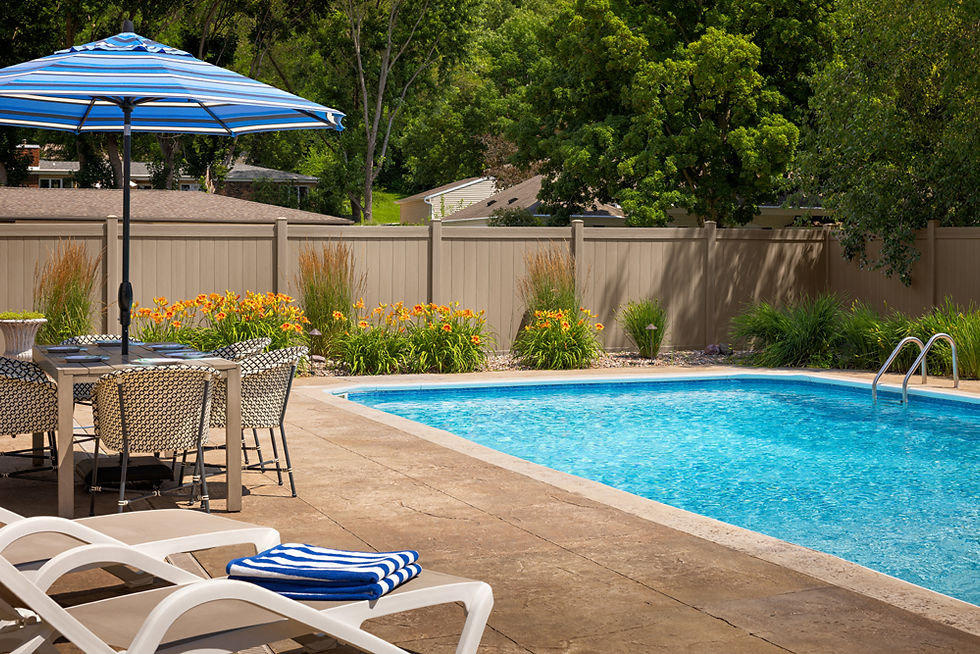
· Pool deck and swimming pools
· Tennis courts, basketball goals and basketball courts
· Foundations and formed walls
Factor in commercial applications, including roadways, parking lots, loading docks and more, and concrete’s utility proves virtually limitless.
Choosing the Right Mix
While concrete has countless uses, not every mix is suitable for every project. In a sense, that’s one of its benefits; concrete is highly versatile and can be made to best suit any project’s shape, size, specifications or other needs.
This adaptability is achieved through proper mix design. Think of it as a recipe—there is no one soup recipe. The same reality applies to concrete. Concrete material composition and the proportioning of these raw ingredients can yield a multitude of desired results to fit the intended concrete application. Depending on the blend and brand, a dry mix concrete will contain specially engineered proportions of cement, typically Portland cement, and aggregates, some variation of stone and sand. To create special properties such as faster setting time or enhanced durability, a blend may also include chemical or mineral admixtures.
Another factor in choosing the right mix is determining how concrete will get to the project. It can either be delivered to a jobsite as ready-mixed concrete in a truck or be mixed on the job. For many smaller residential outdoor projects, ordering ready-mixed concrete by the truckload is neither cost effective nor practical, so mixing onsite is typically ideal.
Concrete mixed onsite can either be made from “scratch” or with bagged dry mix. Today, many contractors opt for bagged dry mix, which only requires the addition of water for use on the job. Dry mix bagged concrete offers pre-engineered, pre-blended, product packaged so that users experience consistency bag-to-bag and batch-to-batch, as long as its water ratio remains consistent.
Bagged concrete can be used anywhere that concrete is needed or required. Don’t look at ready-mixed concrete and bagged dry mix as in competition with one another; rather, they serve construction as complementary products to achieve the same end.
The All-purpose Pick: High-strength Concrete
When selecting concrete for exterior applications, consider the intended use of the concrete and the heaviest loads it will be subjected to.
For most residential outdoor projects, a high-strength concrete mix is a great choice. These blends have been around for decades and are trusted by professionals for projects ranging from small slab pours to high-rise building construction.

A good high-strength concrete mix will deliver consistent performance and a smooth finish. Within a few days of pouring, it will reach 2500 psi or greater. This is the threshold for vehicle traffic; concrete that’s strong enough to drive on is tough enough to handle any residential outdoor project. The final strength will vary depending on the brand and mix you select. Sakrete’s High-Strength Concrete Mix, for example, reaches 4000 psi by the 28-day mark, making it a suitable all-purpose concrete mix.
Concrete manufacturers also offer a variety of specialized high-strength mixes, adjusting their base formula with altered ratios or additional fibers. These concrete mixes offer benefits like long-term crack resistance, faster dry time, cold weather utility and more.
Crack-resistant Concrete Mix
Crack-resistant concrete mix blends synthetic fibers into a standard high-strength concrete mix. The exact fiber may vary; certain mixes use virgin polypropylene fibers, which create an ultra-smooth finish and increase the durability of the slab surface, reducing shrinkage cracking and enhancing impact resistance. Using crack-resistant concrete can also reduce the need for secondary concrete reinforcement, such as welded-wire mesh. These blends are an ideal choice for visible, load-bearing projects like driveways, sidewalks, steps and floor slabs.
Fast-setting Concrete Mix
For fence building and other non-structural setting of posts, a fast-setting concrete mix is usually the best option. These blends are engineered to initially set in as little as 30 minutes and typically require no mixing for post-setting applications—simply pour the dry mix into the hole and soak with water. A fast-setting concrete mix can offer substantial labor savings in a fence project by allowing the builder to start hanging ribs on the posts 30-minutes after set (in warm conditions), instead of having to wait until the next morning.

Extra Strength Concrete Mix
Beyond standard high-strength concrete, manufacturers also offer extra strong blends for projects that demand tougher concrete and enhanced workability. With a higher cement content than standard concrete, these blends reach an ultimate psi of 5,000 or more, and they gain strength more quickly. This rapid strength gain makes these mixes more workable in cold weather than standard concrete, providing extra utility for projects in certain regions.
While professional-grade mixes like this are most often used in commercial applications, they can be used in residential projects as well. These mixes area ideal for residential projects like curb and gutter, sidewalk, and driveway replacement.
Ready to Start Your Project?
Whether pouring a driveway, setting fence posts or building another concrete structure to enhance an outdoor space, there is a bagged dry mix concrete product to match your needs.
You know what mix to buy for your concrete project. Now, how do you figure out how much material you need?
Fortunately, there are many free, online calculators available to help you determine exactly how much concrete product you need for your project. This Concrete Calculator helps provide precises estimates tailored to your needs, with specific calculators for slab pours, post setting, repair and more. It’s also available in Sakrete’s free mobile app, downloadable from the Apple App Store or Google Play Store.
--
About the author: Dirk Tharpe is territory sales manager for Sakrete. For more, visit www.sakrete.com.


Comments